

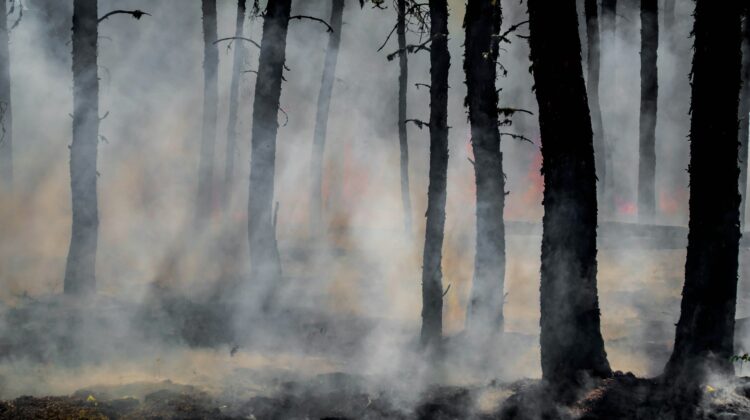
British Columbia’s forest sector is facing a pivotal moment. Harvest levels have fallen to 32 million cubic metres and mill closures are mounting, putting thousands of jobs at risk. A new report argues the solution is hiding in plain sight: damaged and waste fibre left on the landscape.
The BC Forest Leadership Report, supported by Foresight Canada, the BC Pulp and Paper Coalition, First Nations Forestry Council, and industry partners, estimates 215 million cubic metres of fire-damaged wood remains available in BC—enough to supply the pulp sector for 10 years. Recovering that fibre would reduce wildfire risk, create jobs, and inject new revenue into the provincial economy.
The report calls for a fast-track cutting permit process for salvage stands damaged by fire, insects, or wind. Pilot projects on both the Coast and Interior could begin in early 2026, with support from the Ministry of Forests, the Ministry of Energy and Low Carbon Solutions, and Natural Resources Canada.
Funding could flow through programs such as the Forest Enhancement Society of BC, which allocates approximately $50 million per year to fibre utilization and fire mitigation.
The stakes are significant. The report estimates a coordinated salvage strategy could generate $275 million in annual government revenue, support more than 3,000 jobs, and help BC avoid burning slash piles that currently emit over 1.1 million tonnes of CO₂e each year.
Foresight Canada notes that diverting waste wood into biofuels, biochar, bioplastics, and other value-added products would advance BC’s circular economy while supporting decarbonization.
“BC can lead globally in the forest bioeconomy,” the authors argue. With modernized policy, targeted investment, and collaboration with Indigenous and rural communities, the province could turn forest waste into economic growth and climate action.
The report concludes: the opportunity is clear—and the time is now.