

Canada’s National Electricity Strategy makes one thing clear: the country is entering a major electricity buildout. To meet rising demand from electrification, economic growth and new industries, Canada will need to double grid capacity alongside expanding clean power and better connections between regions. The federal government has framed this as a generational effort to build a clean, reliable and affordable electricity system.
That buildout matters. But it is only part of what’s needed.
The next phase of the energy transition is not just about adding more clean power to the grid. It is also about changing the rules so homes, buildings, businesses and communities can help the grid work better.
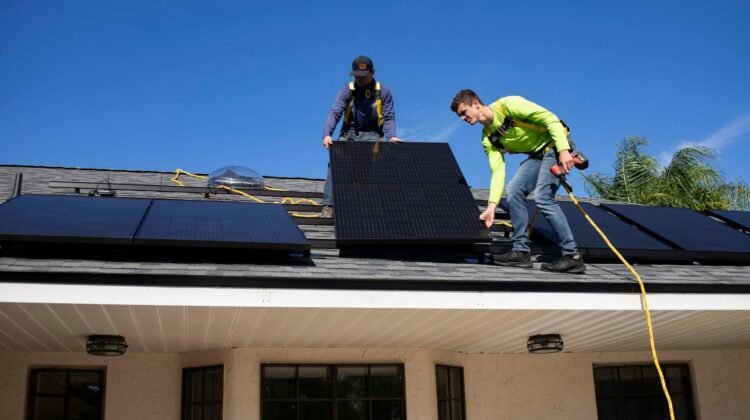
Across Canada, customers are already adopting technologies that change how they use and produce energy. Rooftop solar, batteries, electric vehicles, smart thermostats, heat pumps, building controls and other connected devices are becoming part of everyday life. But these technologies do not automatically become useful grid resources just because they exist.
A battery in a home is not automatically something a utility can count on during a local peak in demand. An electric vehicle charger is not automatically flexible load. A smart thermostat is not automatically part of a demand response program. A building that could reduce or shift electricity use is not automatically visible to the utility deciding whether a local grid upgrade is needed.
The difference is the rulebook.
Customer-side technologies only become useful to the electricity system when there are programs, planning processes, data systems, ways to pay customers for the value they provide and utility business models that allow them to be used reliably. Without those pieces in place, customers may still adopt clean technologies, but the grid may not be able to plan for them, coordinate them or rely on them.
This is one of the most important distinctions in the next phase of Canada’s energy transition: customer adoption of technologies does not equal electricity system coordination.
To make customer-side resources useful at scale, we need to unlock the tools that turn individual action into grid value. Those tools include energy efficiency, demand response and aggregation.
Energy efficiency helps customers use less electricity to get the same outcome – heating a home, cooling a building or running equipment. It can lower bills, reduce waste and ease pressure on the electricity system.
Demand response helps customers reduce or shift electricity use during periods when the grid is under stress. That could mean adjusting building systems, shifting vehicle charging, using stored energy or temporarily reducing non-essential load during peak periods.
Aggregation allows many smaller resources – such as batteries, EV chargers, smart thermostats or flexible building loads – to be coordinated so they act together as a larger resource. One device may not matter much to the grid. Thousands of devices, responding together at the right time and place, can.
These tools are not new. Local utilities and electric system operators in different jurisdictions already use them in different ways. The problem is that they are not yet unlocked consistently or at the scale Canada will need.
That gap matters because electricity demand is growing. Electrification will increase the amount of power needed for homes, buildings, transportation and industry. New large loads, including data centres and industrial facilities, will put additional pressure on local grids. At the same time, customers are already concerned about affordability, and communities want to know how the energy transition will deliver practical benefits.
If we respond only by building more infrastructure, we may miss lower-cost opportunities to manage demand where it occurs. In many cases, the cheapest electricity is still the electricity we do not need to generate, transmit or distribute. In other cases, the opportunity is not to use less electricity overall, but to use it more flexibly – shifting demand away from expensive peak periods or coordinating local resources to reduce stress on a neighbourhood feeder, transformer or substation.
This does not mean customer-sited technologies replace the need for new infrastructure. They do not. Canada will still need major investments in clean generation, transmission and distribution systems. But customer-side resources can help ensure we are not building more than we need, faster than necessary, or in places where better local options are available.
For utilities, this requires a different approach to planning. Customer-side resources need to be considered alongside traditional infrastructure. That means identifying where local grid constraints are emerging, assessing whether demand-side options could help, and creating pathways to use those options when they are reliable and cost-effective.
For policymakers and regulators, it means looking at whether current rules support the outcomes we need. If utilities are mainly rewarded for building new infrastructure, they may have little reason to invest in programs that reduce or shift demand. If funding for demand-side programs is uncertain, these tools remain temporary or optional. If customer-side resources are not included in system planning, they will continue to sit outside the core decisions that shape the grid.
For customers, the rulebook is necessary because participation must be simple, fair and worthwhile. Most people do not want to become electricity market experts. They want lower bills, reliable service and technologies that work. If customers are being asked to provide value to the grid – by reducing demand, shifting usage, sharing stored energy or allowing devices to be coordinated – they need clear programs, trusted partners and fair compensation.
The technologies are increasingly available. The tools can operationalize them. What is missing is consistent implementation at scale.
Canada needs a rulebook that makes customer-side resources visible in planning, valuable in regulation and usable in grid operations. That means modernizing utility planning, enabling demand-side programs, supporting aggregation, improving access to data, compensating customers for the value they provide and aligning utility business models with affordability and reliability.
The clean energy transition will require more generation, more wires and more investment. But it will also require a more flexible electricity system – one that can make better use of the resources already available in homes, buildings, businesses and fleets.
Canada does not just need more clean energy technology. It needs the systems that allow those technologies to operate at scale.
Kari Hyde is the Director, Customer Energy Solutions at the Pembina Institute.