

Vancouver Community College is expanding its clean energy training offerings as British Columbia prepares for growing workforce demand across renewable energy, electric vehicles, building systems, and electrical infrastructure.
The Vancouver college announced this week that it is launching a series of new and expanded clean energy programs designed in partnership with industry. The goal is to ensure students graduate with skills aligned to the province’s evolving energy and sustainability needs.
“As B.C. works towards a more sustainable future, the skills required to work with modern energy technology sectors are evolving rapidly,” VCC said in its announcement.
According to research cited by the college, 40 percent of new jobs in trades, transport, and equipment will require enhanced clean energy skills by 2032 as Canada prepares for a net-zero economy.
“VCC is working closely with industry partners to ensure our training offerings reflect current and emerging workforce needs across residential, commercial, and renewable energy sectors,” said Ian Humphreys, Vice President, Administration and International Development at VCC.
The new training pathways span renewable energy, automotive technologies, refrigeration and building systems, and electrical infrastructure. Programs include an Automotive Electronics Repair certificate, Automotive Logistics and Service Operations – Zero Emissions diploma, Construction Electrician and Clean Energy diploma, Electric Vehicle Conversion microcredential, Wind Turbine Technician certificate, and Zero Emissions Vehicle Service and Technology microcredential.
VCC is also offering construction electrician apprenticeship and foundation programs, as well as a Refrigeration and Air Conditioning Mechanic Foundation certificate.
Most programs will begin in September 2026 or later, with intakes offered throughout the year.
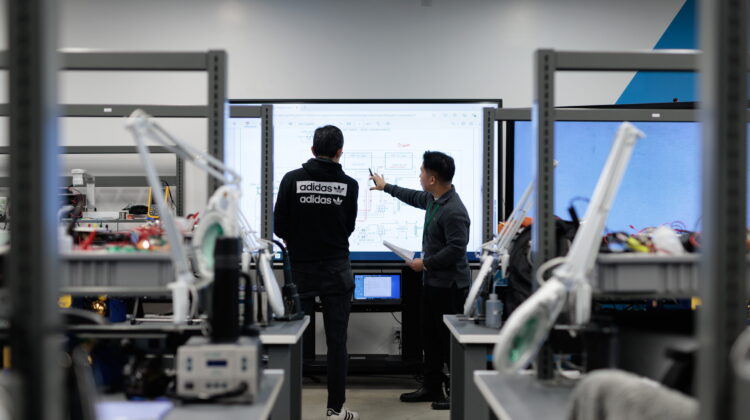
To support the expansion, VCC is developing a new Centre for Clean Energy and Automotive Innovation at its Broadway Campus. The $291.3-million project is expected to be completed in 2027 and will increase training capacity while supporting applied learning and research in high-demand clean energy and automotive fields.
The college said the new programs are intended to support both students looking to transition into sustainability-focused careers and industry partners facing changing workforce requirements.
“Our new clean energy programs are designed to expand students’ career opportunities and strengthen B.C.’s workforce by preparing graduates with increasingly in-demand skills,” Humphreys said.