
PowerBank is building solar energy infrastructure in Nova Scotia.
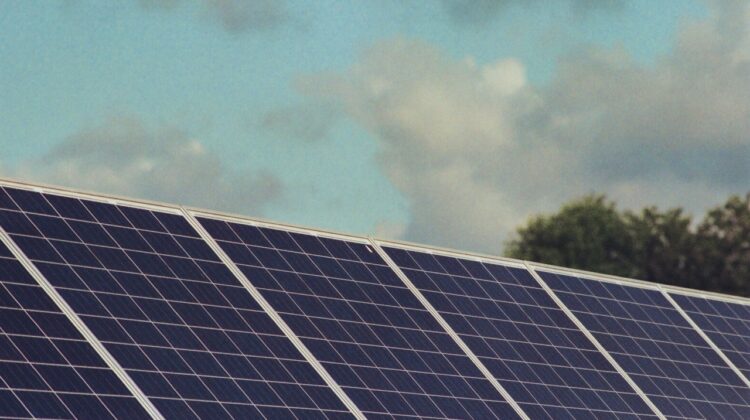
The Canadian-born independent energy development firm says that it has completed environmental permitting for its latest project, a seven-megawatt ground-mounted community solar array.
Community solar allows renters, businesses, and homeowners to subscribe to the solar farm and receive bill credits and savings without installing any equipment.
At a total estimated cost of $14 million, the Brooklyn project is now prepared to proceed with construction, and is eligible to receive up to C$2.6 million in tax credits through the federal government’s Clean Technology Investment Tax Credit following funding from Net Zero Atlantic as well as the Smart Renewables and Electrification Pathways Program.
Brooklyn is one of three community solar projects PowerBank is developing in Nova Scotia alongside local engineering firm Trimac Engineering; the firm is also behind others in Petpeswick and Sydney.
Over the lifetime of the Project, Brooklyn’s array is expected to generate approximately $3.86 million in electricity savings for the local community in Annapolis Valley.
The projects are part of Nova Scotia’s commitment to achieve 80% renewable energy by 2030 and net-zero by 2035.
PowerBank boasts more than 100 MW of completed projects and a development pipeline exceeding 1 GW.
As AI and digital infrastructure drive rises in electricity demand, the vertically integrated PowerBank believes that it is “uniquely positioned to deliver the speed, scale, and energy independence that the next generation of power consumers requires.”
Atlantic Canada has been a hotbed for clean energy projects this year. For example, the region is a driving force behind what Prime Minister Mark Carney recently called “the largest clean energy investment in North American history.”
In addition to drawing solar and wind projects, Nova Scotia has also attracted hydrogen innovators.