

Canadian innovations in rare earth recycling, urban biodiversity, and cleaner aluminium production have earned places on TIME’s Best Inventions of 2026 list.
Toronto’s Cyclic Materials and Montreal-based Alvéole and ELYSIS are among the companies recognized, highlighting different approaches to reducing the environmental impact of industry and the built environment.
B.C.’s Moment Energy also made the list for Megafactory 1, its Surrey facility that repurposes retired electric vehicle batteries into stationary energy storage systems. CleanEnergy.ca covered that recognition separately.
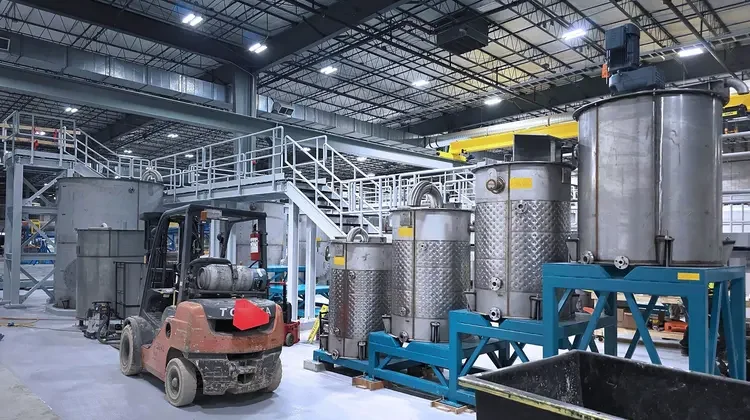
Cyclic Materials was selected in the Reuse & Recycle category for REEPure, its process for recovering rare earth elements from discarded magnets. The technology helps return critical materials to supply chains serving electric vehicles, electronics, and other industries.
The recognition follows a significant expansion year for the company. As CleanEnergy.ca reported in January, Cyclic Materials raised US$75 million in Series C funding to scale recycling infrastructure and support continued technology development in Canada.
Its Centre of Excellence in Kingston anchors research and development alongside commercial processing, connecting Canadian innovation with the company’s international rollout.
In the Sustainability category, Alvéole earned recognition for Aura, a platform that helps commercial property owners understand biodiversity around their buildings.
The Montreal company combines data from urban beehives with information collected through environmental sensors. Hive health, pollen, and pesticide measurements help provide a picture of surrounding ecosystems, extending Alvéole’s work beyond installing and maintaining rooftop hives.
Also recognized in Sustainability, ELYSIS targets a major source of industrial emissions: aluminium smelting.
The Alcoa–Rio Tinto joint venture replaces conventional carbon anodes with proprietary materials, eliminating direct greenhouse-gas emissions from the smelting process.
CleanEnergy.ca previously covered the federal government’s $100 million investment in Rio Tinto Alcan’s ELYSIS technology deployment project. Announced earlier this year, that support is intended to advance demonstration and commercialization of the technology in Quebec.
Together, the selections illustrate the breadth of Canada’s environmental technology sector, from recovering valuable materials and changing industrial production to measuring nature in urban spaces.